A Turtle That Breathes Through Its Rear? Nature Is Full of Surprises
Here are five animals with some of the most fascinating breathing mechanisms in nature.
Some freshwater turtles, including the Fitzroy River turtle and Murray River turtle of Australia, can absorb oxygen through their cloaca—a multi-purpose opening used for excretion and reproduction. During winter, when they hibernate underwater for weeks or even months, specialised sacs inside the cloaca extract dissolved oxygen from the surrounding water. This process, known as cloacal respiration, reduces the need to surface for air and helps the turtles survive in cold rivers where metabolism slows dramatically.
Sea cucumbers have one of the strangest respiratory systems in the ocean. They draw seawater into their cloaca, where it passes through highly branched respiratory trees that extract oxygen before the water is expelled. Although this has earned them the nickname “butt breathers,” the adaptation is a highly efficient solution for animals that spend their lives on the ocean floor.
Members of the Plethodontidae family don’t have lungs at all. Instead, they absorb oxygen directly through their moist skin and the lining of their mouths. Because of this, they must remain in cool, damp environments where their skin stays wet enough for efficient gas exchange. They are among the most successful salamanders on Earth despite lacking lungs entirely.
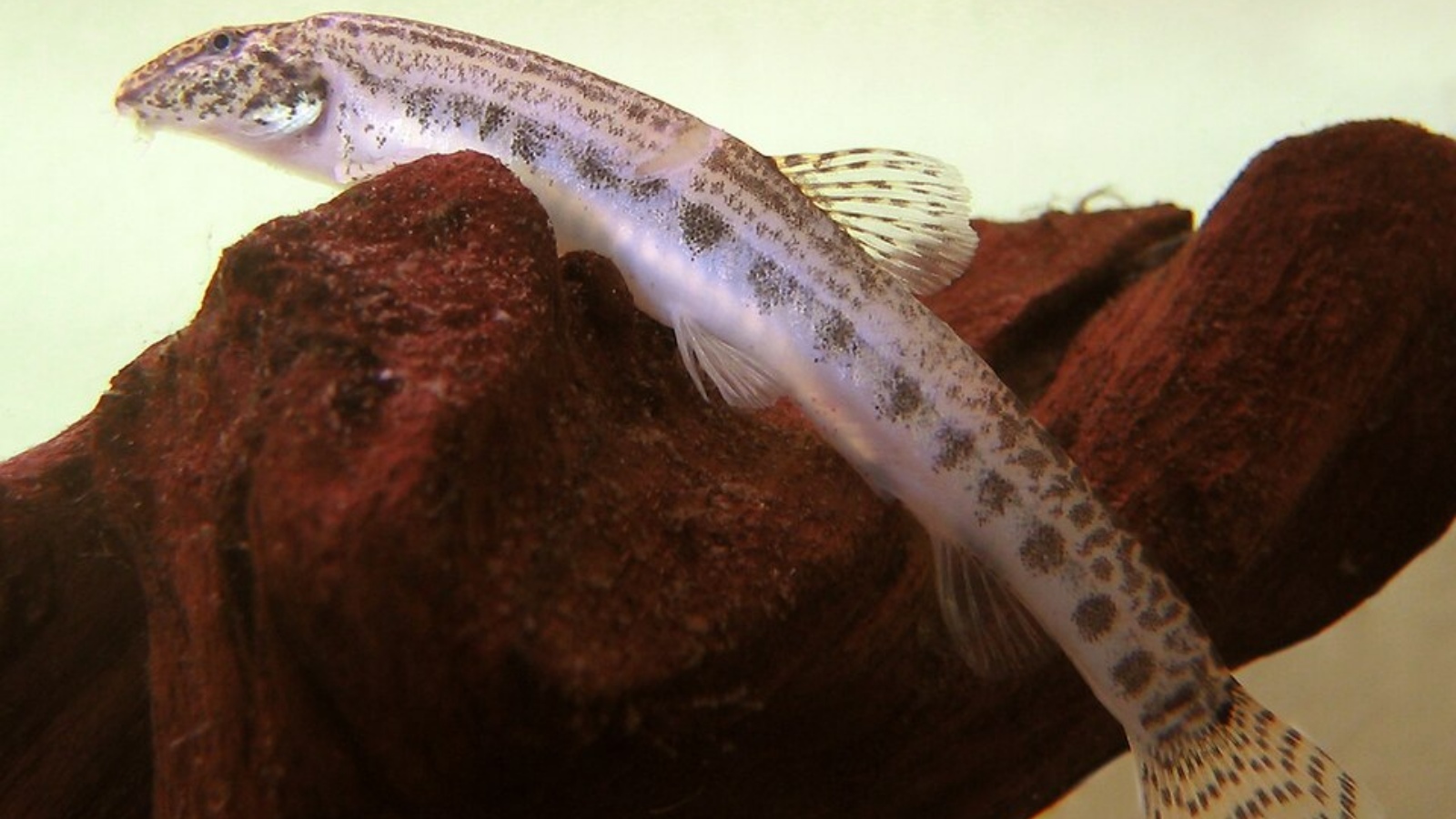
Several freshwater loaches, including the weather loach, have evolved an unusual survival strategy for oxygen-poor waters. They gulp air at the surface, pass it into their intestine, where oxygen is absorbed into the bloodstream, and then expel the remaining gases. This adaptation allows them to survive in muddy ponds and stagnant waters where dissolved oxygen levels are extremely low.
Birds don’t breathe like mammals. Instead of air moving in and out of the lungs in a simple cycle, they possess a network of air sacs that creates a continuous, one-way flow of fresh air through the lungs. This highly efficient system allows birds to extract more oxygen than mammals, helping them sustain long-distance migrations and fly at extremely high altitudes, including over the Himalayas.
Original Source
This content was distilled for a focused reading experience. All rights belong to The Indian Express.
Read original publication