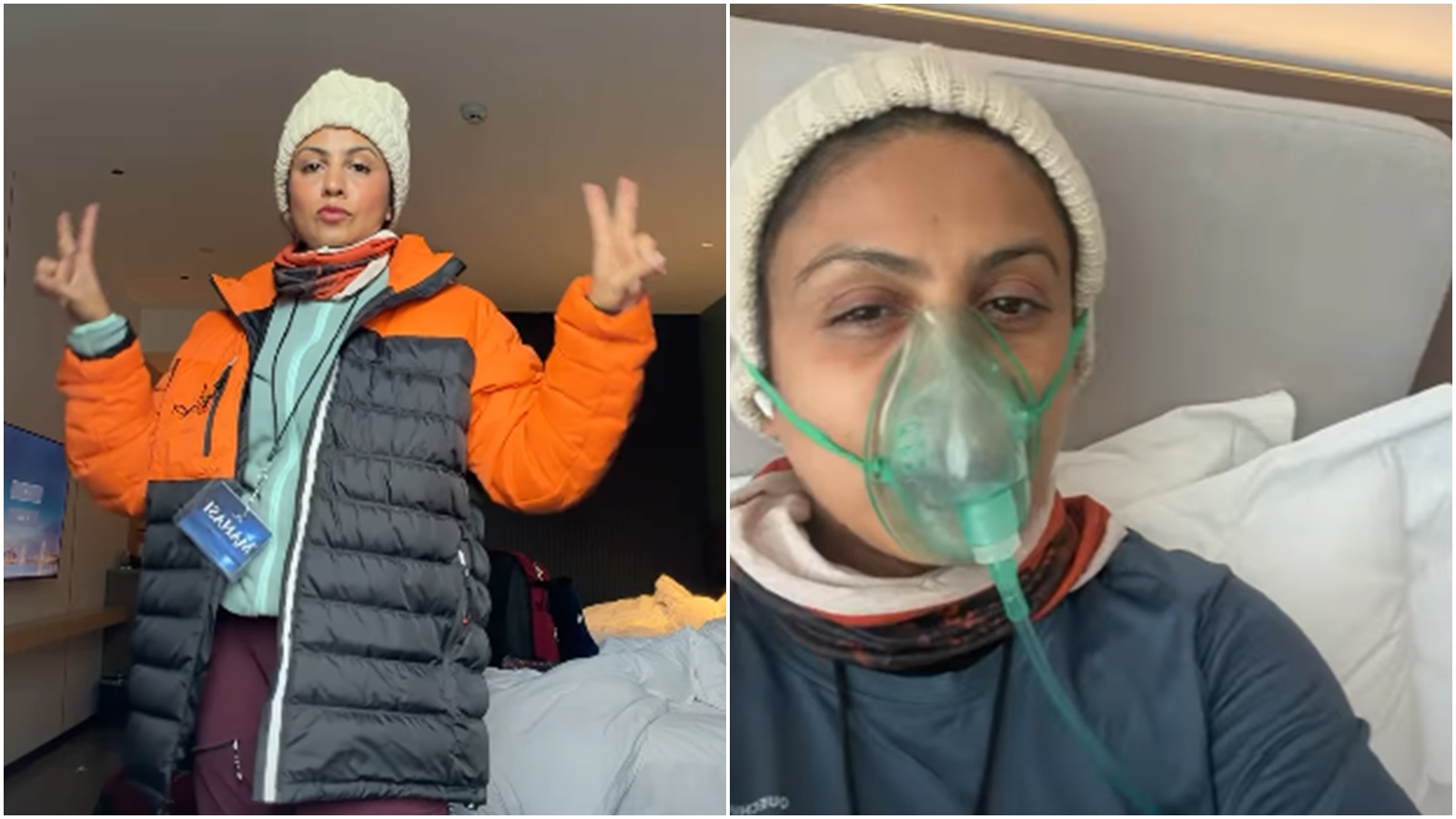
Manasi Parekh on escaping Nepal-Tibet floods by 4-5 hours, battling mountain sickness: 'Was on oxygen supply'
At altitude, the body has to work harder to adjust to lower oxygen availability; when cold temperatures, wet clothes or wet hair, physical activity, and insufficient sleep are added, the stress on the body increases. “It therefore makes sense to stay dry and warm, even though this should not be taken to mean that it prevents AMS altogether. In the case of someone who washes their hair, the practical advice is straightforward: dry it fully, stay warm and do not go straight to bed while still wet,” said Dr Saraf.
If they do wash their hair, it is important to dry it completely before going to sleep and keep the head and body warm, stressed Dr Manjusha Agarwal, consultant, internal medicine, Gleneagles Hospital Mumbai. “More importantly, people should ascend gradually, stay adequately hydrated, avoid excessive physical exertion during the first few days and pay attention to symptoms such as persistent headache, vomiting, severe dizziness, unusual tiredness or difficulty breathing. These symptoms should not be ignored, as severe AMS can progress to serious altitude-related illnesses requiring urgent medical attention,” added Dr Agarwal.
How fast you climb is of much greater importance; it is best that travellers give their bodies time to get used to the altitude rather than rushing to higher elevations. “When you have reached a significant altitude, it is important to avoid overexerting yourself at first, to stay well hydrated, to eat enough and to get adequate rest. Alcohol and intense exercise should also be avoided during the early stages of acclimatisation,” said Dr Saraf.
A headache or a slight feeling of nausea should not be simply attributed to “just the altitude”; if symptoms get worse even when at rest, if there is difficulty in walking, confusion, extreme drowsiness, shortness of breath when at rest, or a persistent cough, this could be a sign of a more serious kind of altitude sickness. “In these cases, oxygen may be necessary and, most importantly, descent to a lower altitude must not be postponed,” said Dr Saraf.
Individuals who have heart, lung, or some other serious medical condition should talk to their doctor before looking at the itinerary. Travellers also need to know the symptoms of altitude sickness and should have a plan regarding medical help, especially in the case of traveling to remote areas, added Dr Saraf.
Original Source
This content was distilled for a focused reading experience. All rights belong to The Indian Express.
Read original publication