2 Karnataka jail murders in 15 mins: Life terms in one; acquittals in other
Listen 00:00 0.5x 0.75x 1x 1.25x 1.5x 2x AI Narration This audio is AI generated.
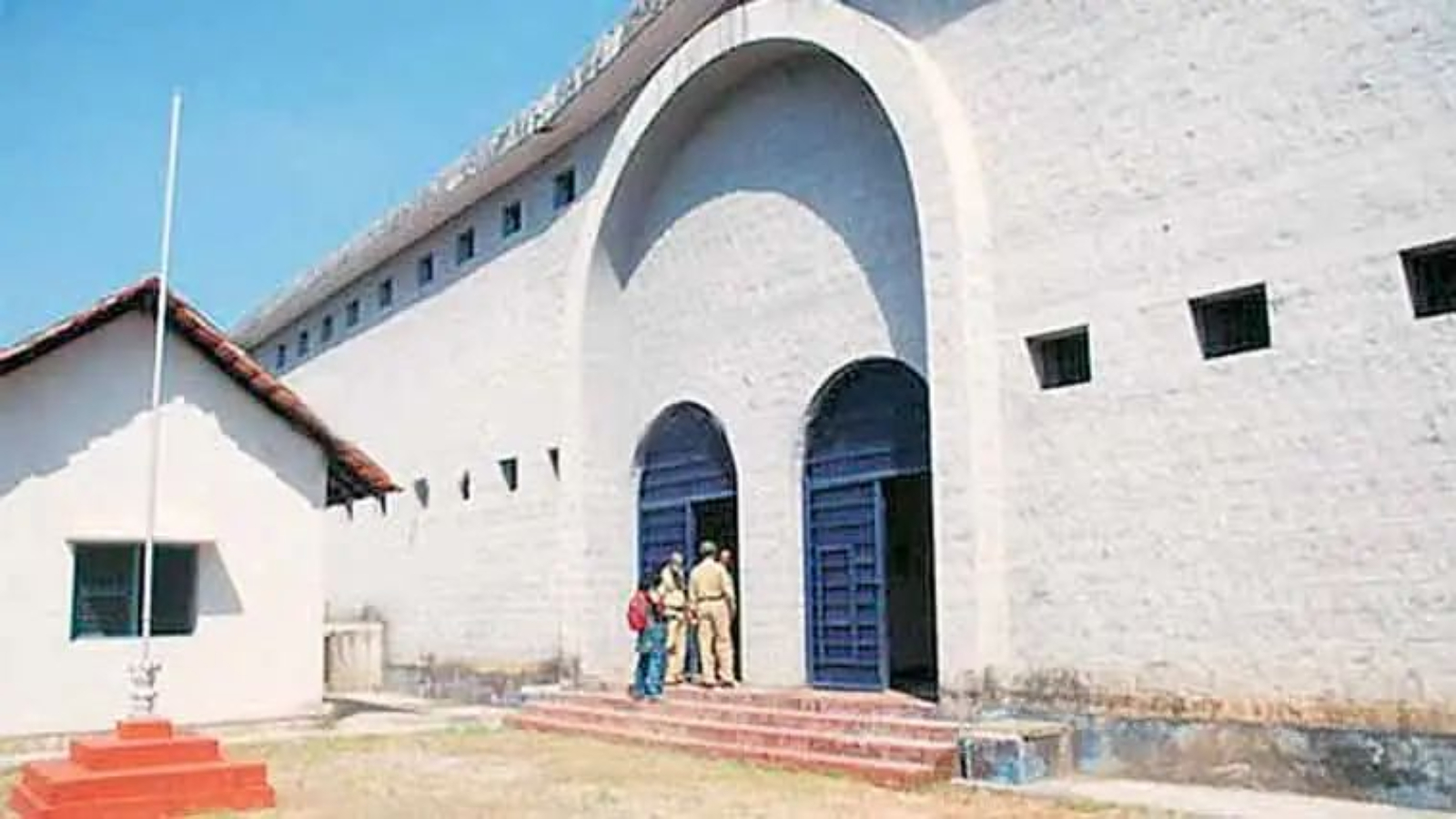
Two undertrial prisoners were killed within about 15 minutes of each other inside the Mangaluru District Jail on November 2, 2015. Nearly 11 years later, a court jailed five men for life in the first case and acquitted nine accused in the other on the same day.
Mangaluru Second Additional District and Sessions Judge Jagadeesh V N convicted Lithesh Poojary alias Litthu, Shobharaj alias Shobhi, Yuvaraj, Pradeep, and Umesh Kombar alias Umesh Kumbara, and acquitted four others in the first case on September 28.
The gang fatally attacked Madoor Yusuf, an associate of underworld don Chhota Shakeel, on November 2, 2015. The court convicted the five men of murder, unlawful assembly, rioting with deadly weapons, assaulting public servants, and an Arms Act offence.
The five accused, lodged in a quarantine barrack, reached near him by removing roof tiles and attacked him with deadly weapons.
The main witnesses were then jail superintendent B T Obaleshappa and two warders.
The court said fellow inmates who tried to save Yusuf were also assaulted, as were the jail staff who intervened. Another undertrial and gangster, Ganesh Shetty, was killed in the violence that followed.
The court rejected the defence’s arguments that Shetty had attacked Yusuf and that the jail staff were not present at the time. It found it implausible that one man could inflict so many injuries in a few minutes, and noted that the inmates who spoke of Shetty attacking Yusuf were themselves accused in Shetty’s murder. It also observed that the accused had told doctors they were assaulted by Yusuf’s group.
The chargesheet said that Sharan Poojary alias Rohidas, Mahesh Kumar, Kamalaksha Poojary, and Latish alias Chitthu conspired with the five men and arranged weapons, and that Yusuf was a follower of Chhota Shakeel.
However, the court acquitted the four men of conspiracy as the investigating officer failed to prove the charge. It also said how the weapons got into the jail remained unexplained.
A tenth accused, Sathish Achari, died and the case against him was abated.
The trial of yet another accused, Vikky Shetty, a gangster who was not arrested in the case, has been separated. He is said to be abroad.
Citing apprehension of reprisals, the court recommended that the inspector-general of prisons consider transferring the five men out of Mangaluru. It observed that the incident had taken on a communal colour and also directed jail authorities to arrange psychiatric treatment for two of the convicts.
The same court acquitted nine people accused in the killing of Ganesh Shetty, who was known to be a sharpshooter.
The acquitted men are Mahammed Iqbal, Abdul Muneer, Irshad, Hasim, Mahammed Azaruddin, Habeeb Hasan, Padmanabha, Nizamuddin, and Mohammed Faizal.
According to the prosecution, Shetty was attacked 15 minutes after Yusuf was killed. It said Yusuf’s associates broke out of their barracks by removing roof tiles, broke locks, and killed Shetty in cell No. 4. It alleged that Iqbal spread word that Yusuf had been killed by Hindu prisoners and incited his followers to retaliate.
The defence disputed this, noting that the chargesheet named Hindu men and that Yusuf and Shetty were seen walking together in the corridor each morning.
However, while rejecting the prosecution’s argument, the court said that when Shetty was attacked, the jail officials were at the main gate, helping carry Yusuf out. No one saw anyone assault him inside the cell. They saw the accused standing near the cells with weapons, but more than 60 prisoners were out of the barracks, many carrying tiles and wooden reapers.
Holding a weapon does not prove one attacked Shetty, the court said. His cellmate, identified only as Mahesh, was never cited or examined, for which the investigating officer gave no explanation, the court added.
The court also highlighted the mismanagement by the jail authorities, with many cases of violence having been reported.
“Though the prosecution has failed to prove how the weapons and mobiles came inside the jail, from the evidence it is proved that deadly weapons were used by the prisoners in the present case as well as in the murder of Madoor Yusuf,” the order read.
The court said prisoners form gangs and quarrel among themselves. It also blamed officials for letting weapons enter the prison.
Observing that prisons house both hardcore criminals and people imprisoned because “some sudden incident had taken place in their life”, the court said, “Because of lack of administration and negligence on the part of the jail officials, the innocent people would suffer.”
“Under the Prisoners Act, it is the responsibility of the Superintendent of Jail to safeguard the life of each prisoner, but the said responsibility was not discharged by the jail officials,” it added.
Original Source
This content was distilled for a focused reading experience. All rights belong to The Indian Express.
Read original publication