Why Goa’s anti-conversion bill has hit a wall
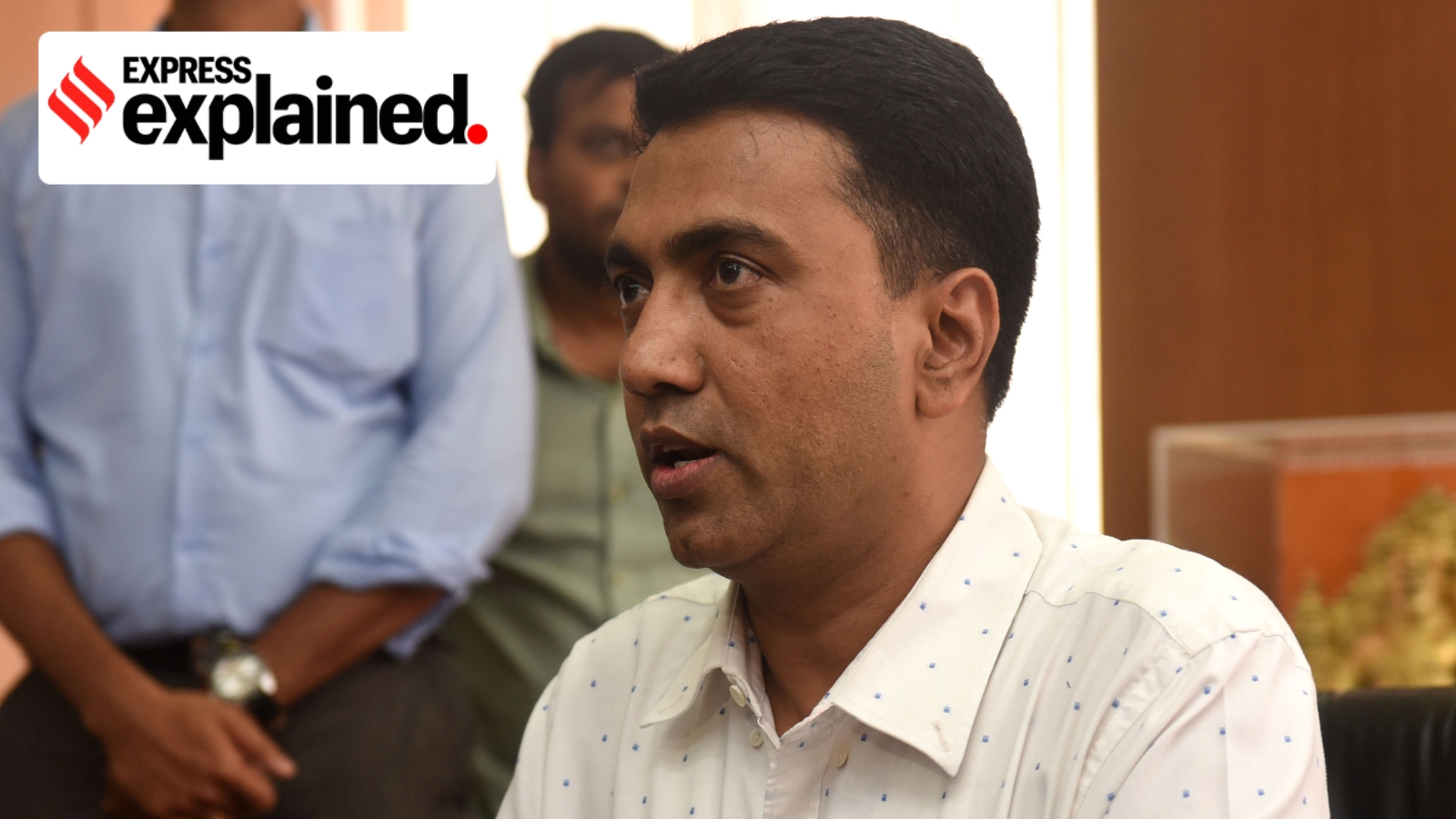
However, after pushback from several legislators, including those from the BJP, who are learnt to have opposed the ‘controversial’ legislation in a meeting with Goa chief minister Pramod Sawant on Monday morning, the Bill is not likely to be tabled during the current assembly session.
The draft Goa Prohibition of Unlawful Conversion of Religion Bill, 2026, which was cleared by the cabinet, proposed stringent punishment including imprisonment upto life, a minimum fine of Rs 50,000 and compensation of up to Rs 5 lakh for the victims for religious conversions for religious conversions carried out “through force, coercion, undue influence, allurement, fraudulent means or marriage.
It proposed that a marriage would be declared void, if found to have been solemnised solely for the purpose of unlawful conversion. It said offenders involved in unlawful conversions, including religious figures such as priests, karmkandis, maulvis or mullas, could face imprisonment of not less than three years and upto 10 years.
The draft of the proposed Bill said that people intending to change their religion would have to submit a declaration at least 60 days in advance to the district magistrate, or an additional district magistrate, stating that the conversion is being undertaken voluntarily and without any coercion. “In order to protect the gullible persons from converting one religion to another by misrepresentation, force, undue influence, coercion, allurement or by fraudulent means, the government has decided to enact a law to provide for prohibition of unlawful conversion from one religion to another by misrepresentation, force, undue influence, coercion, allurement or fraudulent means, and for matters connected therewith or incidental thereto,” the draft Bill read.
The Council for Social Justice and Peace and the Catholic Association of Goa have called for the proposed Bill’s withdrawal, calling it a grave threat to constitutional freedom and communal harmony.
In a joint statement, they said the proposed legislation “risks irreparably damaging that precious inheritance by replacing mutual trust with suspicion, and social harmony with surveillance and fear.” “The State must not use the prevention of coercion as a pretext for supervising personal belief, restricting interfaith relationships, or criminalising legitimate prayer, religious teaching, pastoral care and charitable service…We jointly fear that the law will encourage further politically inspired violence and misuse of its provisions, and that it will help entrench what can only be described as a communal mafia – a loose but effective network of self-appointed enforcers, from the subjugation of religious minorities under cover of law as well as misuse of law, as observed in other parts of the country where such Acts have been enacted,” the statement said.
It said that no convincing evidence of widespread forced conversion in Goa has been placed before the public. “Goa must not import divisive legislation merely because similar laws have been enacted in BJP-governed states.” It said provisions proposed in the legislation “will set brother against brother, neighbour against neighbour and community against community. They create incentives for relatives, political activists and vigilante groups to monitor private relationships, disrupt prayer meetings and lodge accusations against persons whose religious choices they dislike. A law presented as protecting harmony may therefore become an instrument for destroying it.”
The Opposition MLAs have opposed the Bill, calling it an attempt to whip up communal tension in the coastal state, as the state goes to polls in 2027.
Congress MLA Carlos Alvares Ferreira said there is no justification for such a bill when the state has not recorded any cases of religious conversion.
Ferreira said, “In such a situation when we don’t have instances of any religious conversion in the state, what is the necessity of bringing such a law? The bill is part of the narrative of the BJP government to create communal tension in the state and perhaps incarcerate people to sow seeds of hatred amongst people. Such a divisive legislation which is being brought on the eve of elections is a clear statement that BJP has felt that it is losing the plot.”
Goa Forward Party MLA Vijai Sardesai said the Bill risks targeting minorities and interferes with the personal religious choices of Goans. “Goa has its own identity, history and Goemchi Asmitai. We must not blindly copy divisive laws from other BJP-ruled states. We will strongly oppose it,” he said.
Independent MLA Aleixo Reginaldo Lourenco, who backs the BJP-led government said the consensus in the meeting with the Chief Minister on Monday was that the bill will not be introduced during the session.
Stating that the bill will not be introduced during the ongoing assembly session, Michael Lobo, BJP MLA from Calangute constituency, said he felt the government acted in haste in having the bill approved by the cabinet. “We have to study (the bill) and take everyone into confidence,” he said.
In the monsoon session of Goa legislative assembly in 2025, Goa chief minister Pramod Sawant had flagged “the” need for an anti-conversion law in Goa to deal with “forced” religious conversions. “Forced conversions are not allowed under the anti-conversion law in Uttar Pradesh. Several states have passed such laws. I feel we too need a law so that forced conversions do not take place. There was denial about ‘love-jihad’. We have noticed cases of ‘love-jihad’ in the state. If you want, I can give you details later,” Sawant told The House in response to a calling attention motion.
Original Source
This content was distilled for a focused reading experience. All rights belong to The Indian Express.
Read original publication