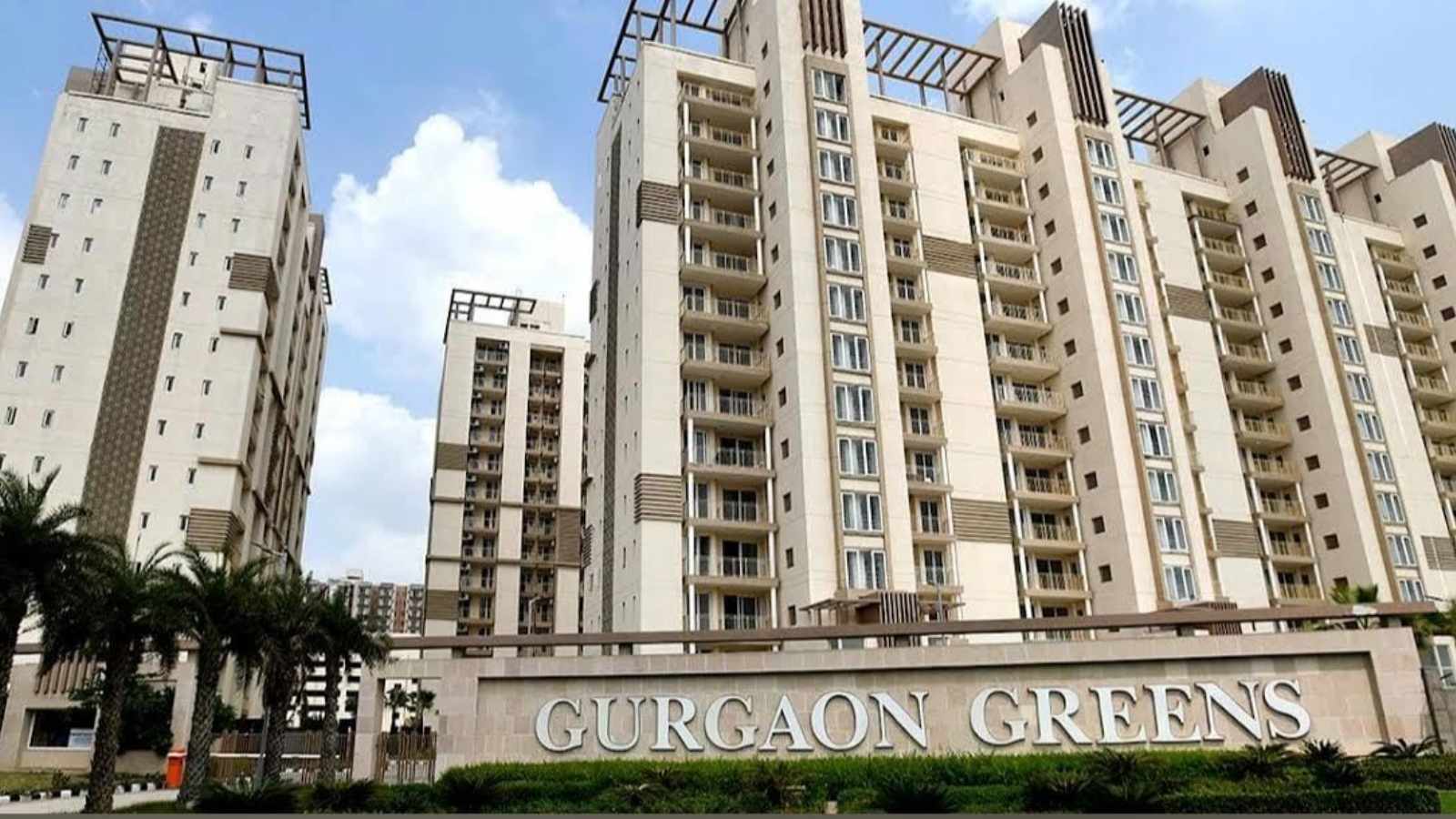
‘We are middle class, can’t just walk away’: Gurgaon Greens buyers paid EMIs, spent lakhs on legal battles
Listen 00:00 0.5x 0.75x 1x 1.25x 1.5x 2x AI Narration This audio is AI generated.
For Jyotsna Kumar, the dream of owning a home has turned into a 14-year ordeal.
A lecturer who has taught at various colleges in the NCR, she booked a flat in Emaar’s Gurgaon Greens project in Sector 102 in 2012, with possession promised by 2016. She received the keys only in December 2018. Now, she is still waiting for compensation for the delay, with the matter caught in another round of legal proceedings.
The experience, she added, has tested her faith in the system, though she remains hopeful.
Jyotsna is among nearly 50 homebuyers in the project who are yet to receive the interest they are seeking for delayed possession. They have each spent more than 20% of their claim amounts — ranging from Rs 20 lakh to Rs 40 lakh — on litigation. This is over and above the loans they took and the EMIs they paid for homes they had expected to receive on time.
On October 5, the Punjab and Haryana High Court upheld their right to seek compensation even after taking possession. However, the buyers must return to the real estate regulator and establish that their claims were filed within the legally permissible period.
In his judgment, Justice Jagmohan Bansal ruled in favour of the buyers on the core issue of their rights, stating: “Handing over possession or execution of conveyance deed does not take away the right of the allottee to file a complaint seeking interest”.
However, the court also stipulated a limitation period, noting that a complaint seeking interest “should be filed within a reasonable period of limitation which would depend upon facts and circumstances of each case”.
It set a standard limitation period of three years from the date of taking possession, excluding the Covid-19 period between March 15, 2020, and February 28, 2022.
Because the High Court was dealing with a large batch of appeals simultaneously, it did not examine the specific dates of possession and complaint filing for each individual case.
Noting that “this factual finding needs to be recorded by the Haryana Real Estate Regulatory Authority (HRERA)”, the High Court partially allowed the appeals “by way of remand to the Authority to ascertain whether complaint was within reasonable period of limitation”.
Parties have been directed to appear before HRERA on October 16, with instructions for the cases to be disposed of within four months.
The High Court order is the latest chapter in a protracted dispute. The case of Poonam Goel, one of the homebuyers, illustrates how it unfolded.
In April 2013, the buyer and Emaar entered into a Buyer’s Agreement, with construction commencing in June of that year.
However, the promised deadline for handing over the flat expired in November 2016. It was not until May 2019 that Emaar received the occupation certificate and offered possession to the buyer. The completed unit was subsequently handed over in December 2019, and the conveyance deed was executed by February 2020.
In Poonam’s case, the total sale consideration of the unit was set at Rs 96.40 lakh. She ultimately paid Rs 98.39 lakh to Emaar.
Seeking interest on the delayed possession, Poonam and her husband filed a formal complaint before HRERA in September 2022.
In August 2024, the Authority ruled in favour of the buyer, directing Emaar to pay interest at 11% per annum for every month of delay — from the November 2016 due date until the offer of possession in May 2019.
Emaar challenged this order in July 2026. But the Haryana Real Estate Appellate Tribunal dismissed the appeal, ruling that the execution of a conveyance deed or delivery of possession does not extinguish the allottees’ statutory rights.
As per the judgment, Emaar had submitted in court that the homebuyers voluntarily accepted the compensation offered at the time of possession, effectively concluding the contract. It contended that without a prescribed limitation period, allowing complaints at any time would create chaos.
During the hearings, allottees pointed out that in some cases, the statutory interest liability for delayed possession amounted to more than Rs 40 lakh, against which the developer had paid a meagre Rs 5 to Rs 6 lakh.
The High Court rejected Emaar’s argument that the contract concludes entirely upon possession, observing that unless a homebuyer explicitly gave in writing that they were accepting a smaller amount as a full settlement, the builder cannot escape its statutory liability.
For the homebuyers, the ruling means another round of proceedings.
Businessman Ajay Goel, Poonam’s husband, said the prolonged dispute had also helped the buyers understand their rights.
“We did not fully understand what compensation we could claim for the delay or how to go about it. The process has been long, but we have learnt about our rights along the way. Having other buyers going through the same process helped us share the burden,” the couple said.
“A majority of the near 50 affected litigants had filed their claims within the limitation period, so we will not be appealing this order,” Sheroan stated. “Buyers will have to prove this before RERA again, and we will do our best so that the process is expedited.”
He said the financial means to sustain litigation had also played a role in the buyers’ ability to pursue their claims.
“In an affordable housing project, buyers may not be aware of the remedies available under RERA, and the cost of litigation itself can become a barrier. One needs a degree of financial security to keep pursuing a case as buyers may have to go through claims, adjudication and execution proceedings before getting relief. The process is quicker than going through the courts, but it still takes a toll,” he said.
Original Source
This content was distilled for a focused reading experience. All rights belong to The Indian Express.
Read original publication