Courts must earn confidence, not demand faith
Listen 00:00 0.5x 0.75x 1x 1.25x 1.5x 2x AI Narration This audio is AI generated.
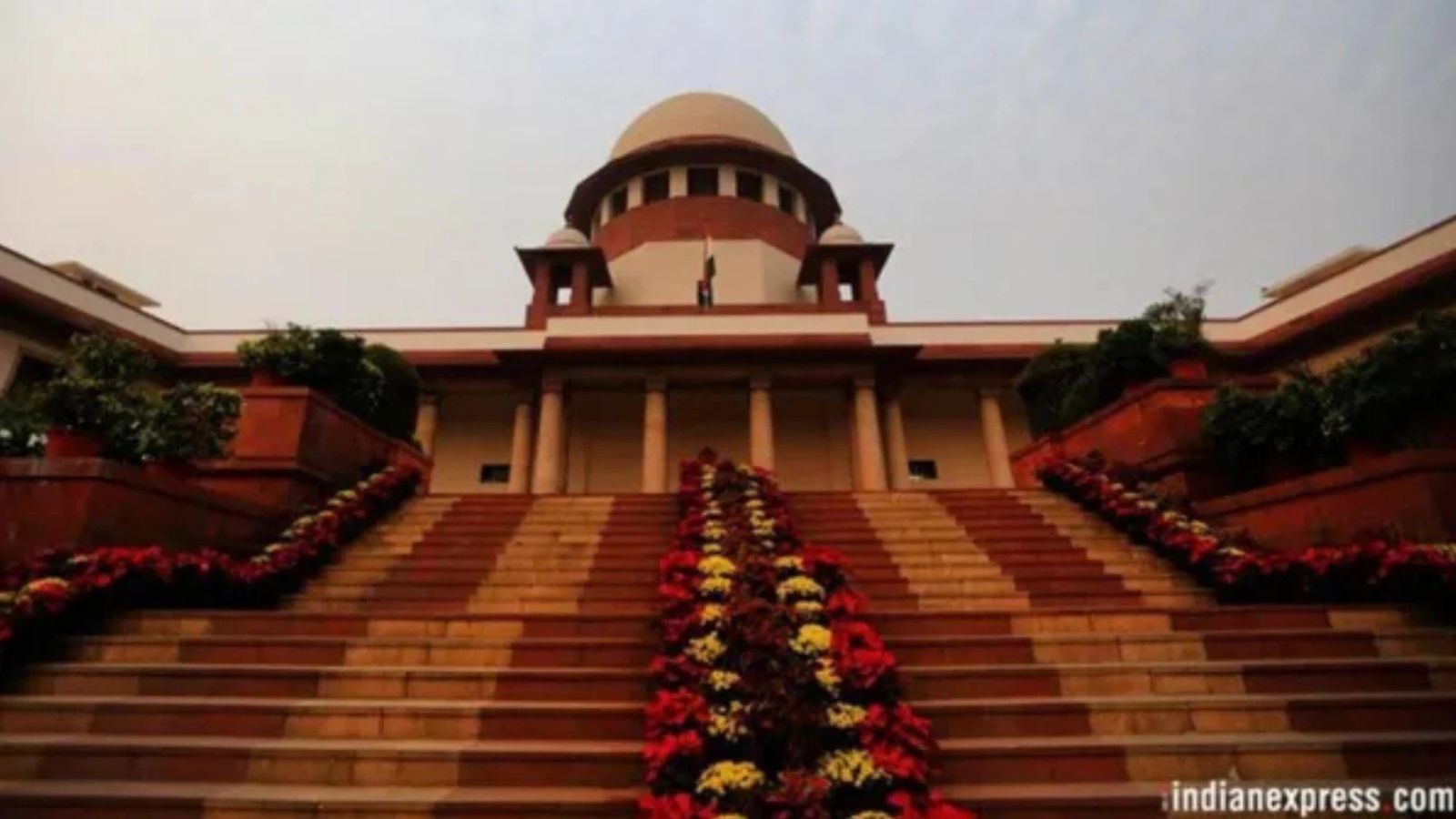
Yet again, the Supreme Court has ventured deep into the political thicket. Amidst the controversy it has now found itself in over the recent protests and SIR-related cases, a moment of reckoning came when Kapil Sibal, one of the leaders of the Bar, declared that he had “lost faith” in the court. He was quickly assured by the court itself at an urgent Sunday hearing that faith was to be resolutely kept. Solicitor General Tushar Mehta is reported to have submitted that no responsible lawyer would say he had lost faith.
Another, now retired, leader of the Bar, Dushyant Dave, also wrote recently that people’s “faith” in the court took a hit due to certain actions of the Chief Justice, while acting as the master of the roster. Every now and then we hear a Justice or even a Chief Justice on the weekend sermonising about the need to have faith in the judiciary. All this commentary leaves a more fundamental question unprobed: Why faith? The follow-up is, if not faith, then what else?
Why faith? Belief in the administration of justice is not a matter of piety, and surely, not one of devotion. Courts certainly do not operate in “mysterious ways”, and they ought not to. B R Ambedkar’s warning against bhakti in politics as being a path to degradation of institutions may well be applied to courts and to their leaders. There is nothing miraculous or fantastical about justice dispensation. Justice is best administered when it is routine.
The court’s actions can be studied, examined, scrutinised, and parts of them can even be quantified. Evidence of its functioning or its dysfunction is and ought to be plain to see, and with livestreaming, it in fact is. Political scientists James L Gibson and Gregory A Caldeira, studying the legitimacy of courts, have suggested that to know the courts is to love them — ironically, using a language of devotion. The theory goes that greater awareness of the institution and its processes contributes to the legitimacy of the courts.
The Bangalore Principles of Judicial Conduct use “faith” only in the context of integrity of the judiciary. Instead, they lay considerable stress on the notion of “confidence”. The public should have confidence in the judiciary, not faith. The distinction between faith and confidence is not merely semantic. Faith is often demanded in the absence of evidence. Confidence may be gained and equally lost based on performance and evidence.
What courts need more of is public confidence; they can do with less faith. The fundamental problem with faith is that it can be demanded. Public confidence, on the other hand, needs to be earned and built. When judges and lawyers demand faith in the system (or decry the erosion of it), the public’s relationship with the court is centred around an unquantifiable notion. Public confidence is not to be confused with public approval; courts need not be concerned about the latter. But as with other institutions, public confidence in courts needs to be constantly built and rebuilt, simply because courts cannot survive a public that ignores their orders and directions. The rule of law is rendered highly vulnerable if it comes to that.
Courts and their judges often engage in confidence-building measures, both within and outside the courtroom. Organising an urgent hearing, be it on a non-working day or in the dead of night, to be available for a matter, say, concerning the personal liberty of an individual, builds confidence. Slow disposal in other equally important cases does not inspire confidence. Stacks of currency notes in the official residence of a judge found in suspicious circumstances deplete public confidence. Acting firmly on corruption in the judiciary and punishing the guilty swiftly would in turn restore it. Routinely listing cases, without interference, according to a published roster invests the court processes with certainty and consequently, with confidence; every unjustified departure from it causes harm. These show how confidence is gained and lost. None of these are matters of faith; they can be seen, heard, examined and reasoned about.
Our institutions work only as long as the public has confidence in them. Earning confidence is constant hard work. The Supreme Court and the Bar need not demand faith from the public, but neither can go a day without inspiring confidence. And when judges and lawyers begin demanding faith, that is the clearest sign that confidence is waning.
The writer is an advocate practising before the Supreme Court of India
Original Source
This content was distilled for a focused reading experience. All rights belong to The Indian Express.
Read original publication