India Is Silencing Its Galwan Story While Bollywood Bashes Pakistan
This year marks the sixth anniversary of the violent Galwan clashes between India and China, which shattered an uneasy peace across the Line of Actual Control (LAC). Ties eventually thawed by October 2024, and both sides resumed engagement, with the latest talks in Beijing this week covering delimitation, border management, mechanism-building, and cross-border cooperation. Yet India-China relations remain rooted in mistrust and misunderstanding, and the Galwan clashes firmly established Beijing as a strategic rival.
Since the thaw, however, there has been a calculated shift in New Delhi’s approach. The initial response to Galwan was one of anger and nationalistic assertion — banning Chinese apps and blocking Chinese investment. Now, the domestic narrative is being quietly reframed: China has moved from public enemy number one to a partner in the “dragon-and-elephant tango”. The government has eased restrictions on Chinese investment and worked to rebuild people-to-people ties. Border sovereignty, which was central to the relationship in the immediate post-Galwan period, appears to have been pushed to the back burner.
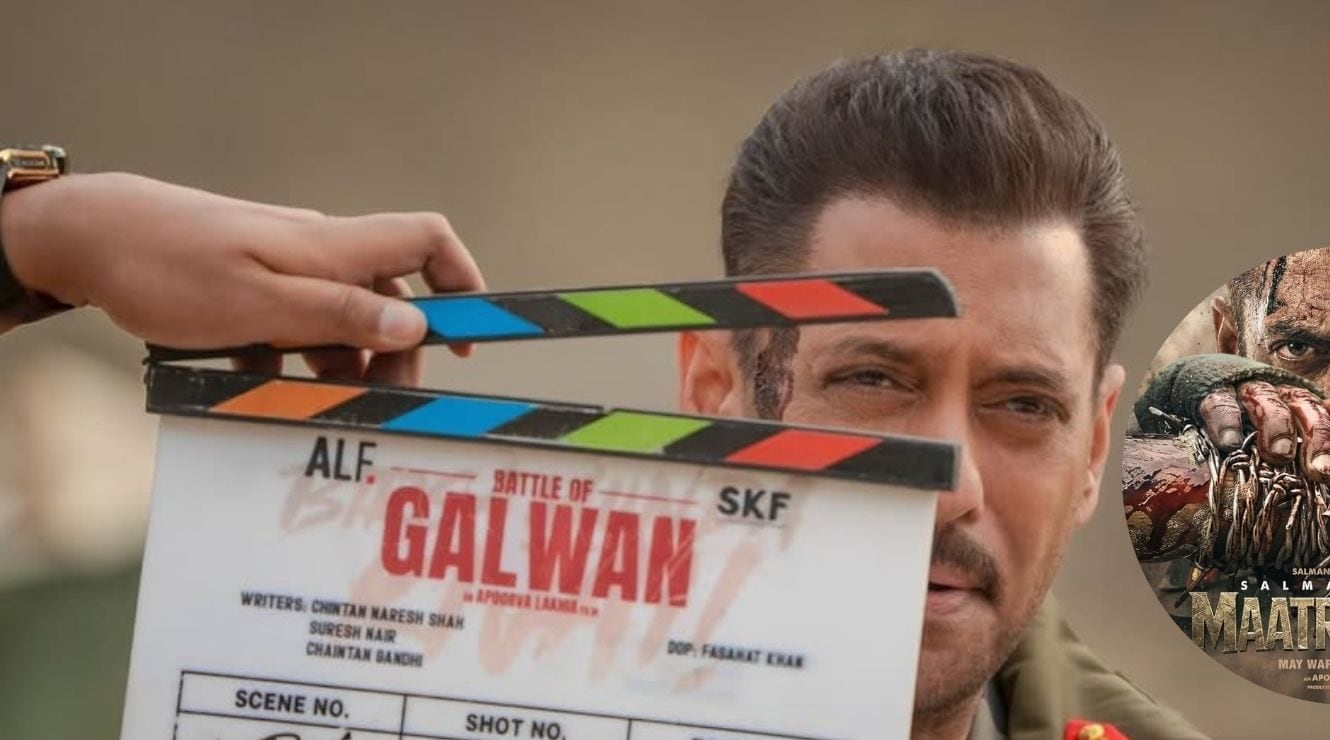
Bollywood has long played a powerful role in shaping domestic public opinion and serving as a vehicle for the government’s soft power narrative. It was therefore hardly a surprise that two films addressing the Galwan clashes were in development: The Salman Khan-starrer Matrubhumi: May War Rest in Peace (originally titled The Battle of Galwan) and the now-shelved The Lion of Galwan, both based on the stories of Indian soldiers who lost their lives in the 2020 clashes and would have been a fitting tribute to their valour and sacrifice.
The Battle of Galwan was renamed following protests from the Chinese side, while The Lion of Galwan was shelved by government directive. The contrast with the government’s approach to Pakistan is telling: The two-part Dhurandhar, with its unapologetically nationalistic and anti-Pakistan messaging, was a massive box-office success — and clearly, New Delhi is comfortable building that particular narrative. The challenge lies in managing the narrative around China while balancing complex geopolitical realities.
Bilateral trade between India and China stands at $155 billion, with a trade deficit exceeding $110 billion. Beijing is confident it can play a crucial role in India’s ‘Make in India’ ambitions, and the dependency is real: 43 per cent of India’s electronics, 44 per cent of its organic chemicals, and 40 per cent of its machinery are sourced from China.
China has consistently demonstrated both economic might and strategic acumen. New Delhi’s current posture appears to be one of calculated accommodation — unwilling to challenge Beijing’s narrative of peace and mutual growth, and reluctant to tell its own story on its own terms. In intensifying the message that peace along the LAC is India’s paramount concern, while Beijing pursues its interests at will, New Delhi is signalling an acceptance of the power gap between the two neighbours.
The writer is an associate professor at O P Jindal Global University
Original Source
This content was distilled for a focused reading experience. All rights belong to The Indian Express.
Read original publication