‘Don’t eat, buy or sell fish caught in Nepal floodwaters': Bihar warns citizens
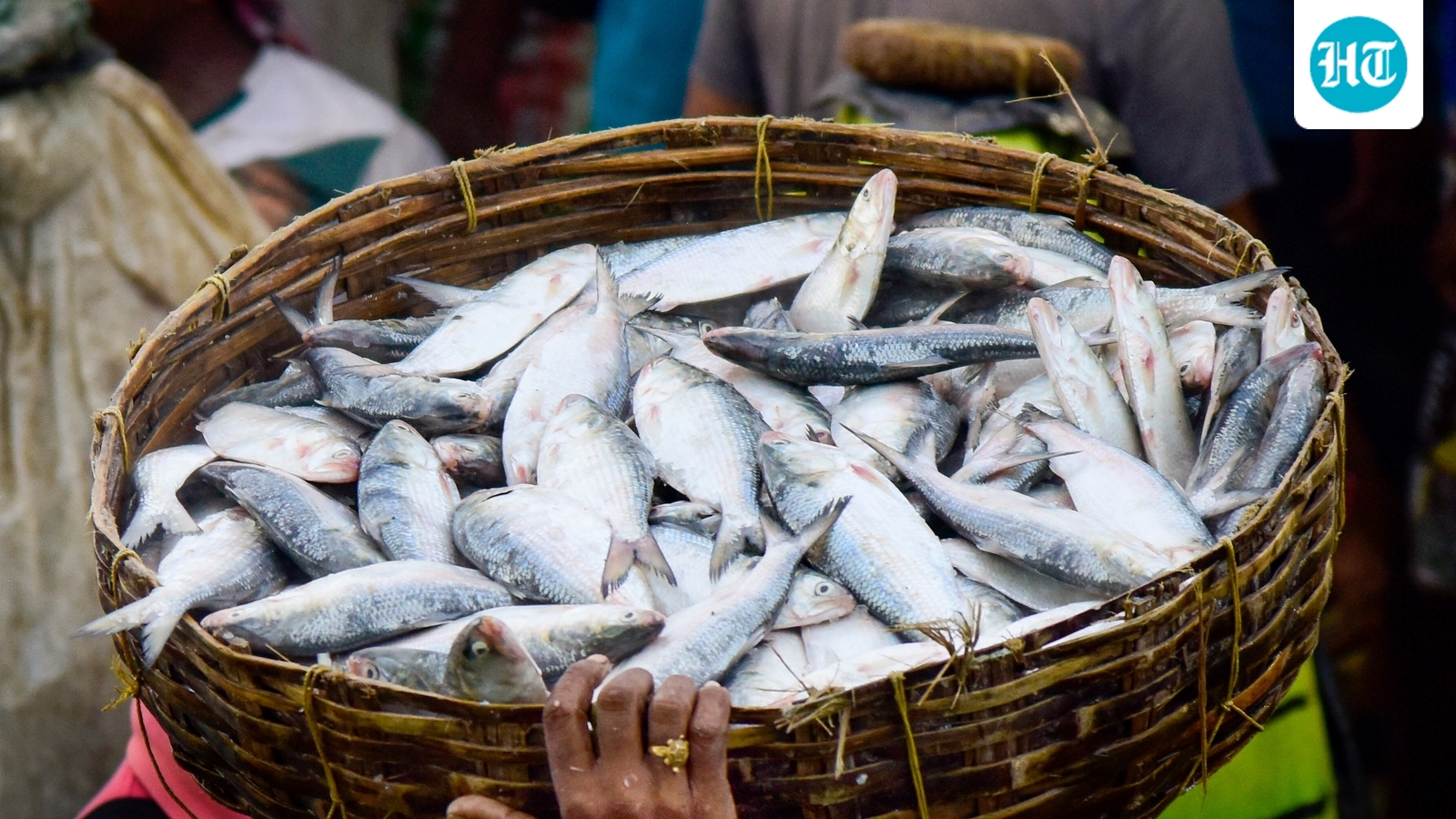
The Bihar government has issued an advisory urging people to avoid consuming unknown or unusual fish reportedly reaching parts of the state along with floodwaters from Nepal.
The authorities have advised residents to avoid fish caught from floodwater until conditions stabilise. (Representative Image (File Photo/PTI))This advisory comes just days after Nepal was hit by devastating flash floods that have claimed over 1,000 lives and left a trail of destruction in towns and villages.
Also Read | Gandak surge eases; Bihar embankments withstand after Nepal upstream floods
The advisory, issued by the dairy, fisheries and animal resources department of Bihar cited concerns that fish exposed to dirty drains, dead animals and other contaminants during floods may carry bacteria and viruses.
The authorities have advised residents to avoid fish caught from floodwater until conditions stabilise.
"Information has been received that unknown and unusual types of fish have reached some areas of Bihar along with flood water from Nepal. Information has also been received about some people falling ill after consuming such fish," the advisory read.
"Do not pay attention to rumours and, keeping your safety in mind, completely avoid consuming unknown fish," it added.
Also Read | Nepal flood: Green house owner calls it a ‘second birth’ after surviving raging waters
The flash floods were triggered by a collapse or avalanche of ice and rock near the Nepal-Tibet border.
The death toll from the flash floods in Nepal surged to 1,050 on Tuesday, news agency PTI reported, citing officials.
Meanwhile, nearly 4,000 individuals remain missing, the National Disaster Risk Reduction and Management Authority (NDRRMA) informed.
As chaos continued across the country, hospitals in Nepal are growing overwhelmed by an influx of unidentified bodies. Meanwhile, victim identification remains a major hurdle, with many recovered bodies severely decomposed or reduced to partial remains.
Original Source
This content was distilled for a focused reading experience. All rights belong to Hindustan Times.
Read original publication