Your thyroid is not making you fat: 11 myths it is time to retire
Hypothyroidism is common and, when genuinely present, deserves proper treatment. But for most people, it is also the most manageable endocrine disorder. The problems are often not the diagnosis and management, but the unnecessary restrictions, fears and expectations that accumulate.
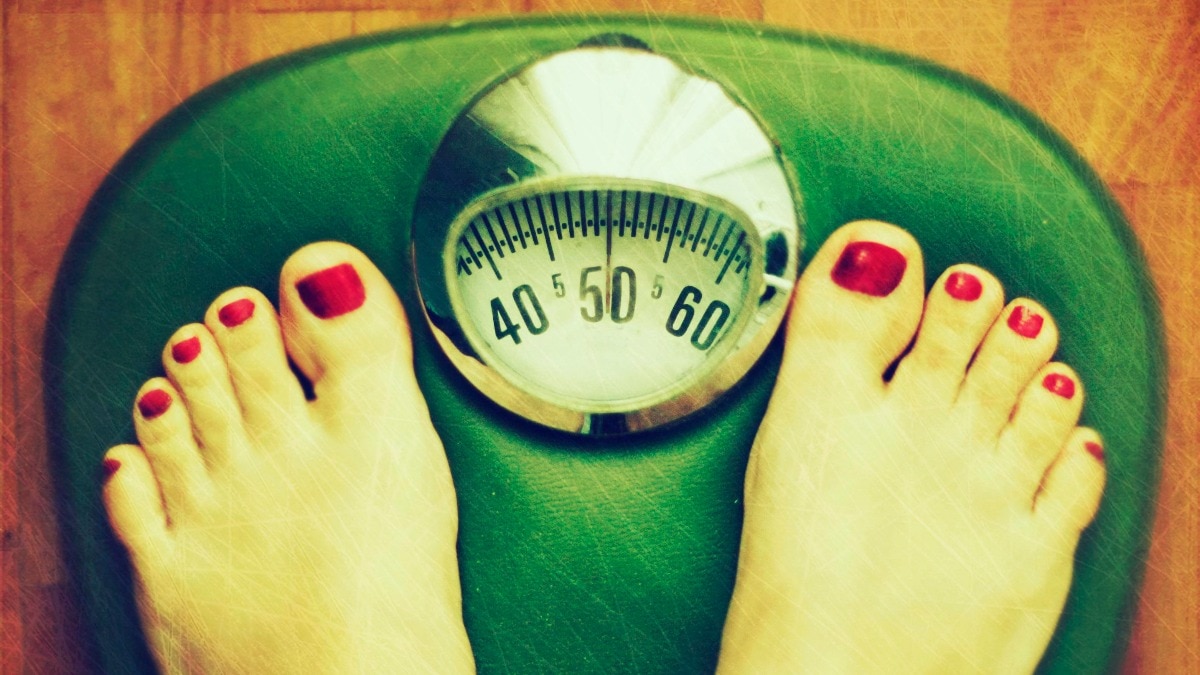
Thyroid hormones influence metabolism, so an underactive thyroid can certainly contribute to weight gain. What gets exaggerated is the magnitude.
According to the American Thyroid Association, the weight attributable to hypothyroidism in most patients is usually modest, often roughly 2–3 kg, and much of it reflects retention of salt and water rather than accumulation of body fat.
Therefore, someone who has gained 15 or 20 kg should not automatically attribute it to the thyroid. Once the thyroid hormone levels have been corrected and T4 + TSH are normal, continuing obesity has other drivers: diet, physical activity, sleep, medicines, genetics, insulin resistance and the wider metabolic environment.
Using thyroxine as a weight-loss medicine can be potentially disastrous. Once hypothyroidism is adequately treated, taking extra thyroid hormone does not safely melt away excess fat. So, while there may not be much loss of weight, excessive doses can cause palpitations, weakness, heart problems, and serious loss of bone and muscle.
MYTH 3: SOY, CABBAGE, CAULIFLOWER AND BROCCOLI CAUSE HYPOTHYROIDISM
This dietary myth has unnecessarily impoverished the dishes of crores of Indians. Soy and vegetables from the Brassica family, including cabbage, cauliflower, broccoli, kale and mustard greens, contain substances described as “goitrogens." In laboratory conditions or with exceptionally high intakes, particularly when iodine intake is inadequate, these compounds can influence thyroid hormone production.
That does not mean a daily bowl of cabbage causes hypothyroidism.
Under normal dietary conditions, a person would generally have to consume extraordinarily large quantities, especially of raw Brassica vegetables, for it to become clinically important. The British Thyroid Foundation describes the risk from normal consumption as very low.
These are nutritious foods containing fibre, vitamins, minerals and beneficial plant compounds, which are useful in maintaining weight and gut health. There is no reason to eliminate them because of thyroid fears.
MYTH 4: IF YOU TAKE THYROXINE, YOU MUST STOP EATING SOY AND CABBAGE
Soy needs a little attention, not because it “damages” the thyroid, but because it can reduce absorption of thyroxine from the intestine when consumed close to the medication.
People who regularly consume tofu, soy milk or other soy foods should take their thyroxine consistently on an empty stomach and separate soy from the medicine for several hours. The same principle applies to certain supplements and medicines.
Thyroxine is a remarkably effective medicine, but its absorption is easily affected.
Calcium and iron are among the commonest culprits. Taking them simultaneously with thyroxine can reduce absorption, which is why they are generally separated from thyroxine by four to six hours. Antacids and some cholesterol-lowering medicines may cause similar problems.
Estrogen-containing oral contraceptives and some other medicines can alter thyroid-hormone requirements. Pregnancy is especially important: thyroxine requirements increase early, so sexually active women on treatment should increase their dose by 15–20% if they have a missed or delayed period till they can be sure they are pregnant or not, and contact their doctor promptly if pregnancy is confirmed. Thyroid function is typically monitored more frequently during pregnancy.
Whenever you start or stop a regular medicine or supplement, tell the doctor managing your thyroid.
MYTH 6: SENDHA NAMAK OR ROCK SALT IS HEALTHIER THAN IODISED SALT
“Natural”, “rock”, “pink” and “Himalayan” salts have acquired a health halo. But when it comes to thyroid health, the important question is simple: does the salt reliably provide iodine?
Iodine is essential for making thyroid hormones. Inadequate iodine during pregnancy and childhood can have particularly serious, permanent consequences for brain development and growth.
Iodised salt has been one of public health’s simplest and most successful measures, for preventing iodine-deficiency disorders. Replacing it routinely with a non-iodised speciality salt can reduce iodine intake dangerously.
This does not mean more iodine is always better. Excessive iodine, particularly through high-dose supplements, can itself disturb thyroid function. The goal is adequacy, not excess.
For ordinary households, consistently using adequately iodised table salt while keeping total salt consumption low is the sensible approach.
MYTH 7: IT MAKES NO DIFFERENCE WHEN THYROID BLOOD TESTS ARE DONE
A thyroid test taken at 4 pm is not automatically invalid. But thyroid physiology does have a daily rhythm, particularly TSH, which varies through the day.
For routine follow-up, consistency improves interpretation. If possible, having tests performed at roughly the same time, preferably in the morning, reduces one source of variation.
There is another useful rule for people taking thyroxine. When TSH and T4 (whether free T4 or total T4) are being monitored, it is often preferable to have blood drawn before taking the morning tablet, particularly if results are being compared over time. Taking thyroxine shortly before testing can temporarily raise circulating T4 and complicate interpretation.
Consistency matters almost as much as the clock: the same laboratory were practical, similar timing and similar relationship to the morning tablet.
MYTH 8: ONCE YOU HAVE HYPOTHYROIDISM, POOR HEALTH AND INFERTILITY ARE INEVITABLE
Properly treated hypothyroidism should not define a person's life. Once the appropriate dose of thyroxine restores thyroid hormone levels to the desired range, most people can live entirely normal lives.
Women with adequately treated hypothyroidism can become pregnant and have healthy pregnancies. The important issue is not merely having the diagnosis it is ensuring appropriate hormone replacement before and during pregnancy, and taking care of all other aspects of health.
Untreated or inadequately treated hypothyroidism is a concern; correctly monitored and treated hypothyroidism is not.
Thyroid hormone is essential for normal childhood brain development and growth. A child who is unexpectedly slowing in height, gaining disproportionate weight, becoming unusually sluggish or constipated, or showing delayed development or puberty deserves proper assessment.
Children should have height and weight plotted at least annually on growth charts. Growth is one of childhood's most useful biological vital signs. A child crossing downwards through height percentiles or upwards through weight percentiles needs evaluation not simply reassurance that he or she is a “late grower”.
Parents sometimes carry unnecessary guilt after a newborn is diagnosed with congenital hypothyroidism.
Every newborn should have TSH checked in the cord blood, because immediate detection and starting thyroxine replacement is critical for brain development. However, congenital hypothyroidism is not something the mother “gave” the baby through her diet, behaviour during pregnancy or ordinary hypothyroidism. It occurs because the baby's thyroid gland did not develop normally – it could be absent, too small, located abnormally, or dysfunctional.
Maternal thyroid disease is important during pregnancy and requires appropriate treatment, but it should not be confused with congenital hypothyroidism in the newborn.
MYTH 11: ONLY BABIES BORN TO MOTHERS WITH THYROID DISEASE NEED SCREENING
Any baby can be born with congenital hypothyroidism, regardless of the mother’s thyroid status. The affected baby can appear perfectly healthy initially, even while damage to the brain starts. This is precisely why universal newborn screening matters.
Waiting for symptoms loses precious time during a period when the thyroid hormones are critical for brain development.
All key professional associations, such as the International Paediatrics Association, the Indian Academy of Paediatrics (IAP) and the Indian Society for Paediatric and Adolescent Endocrinology (ISPAE), recommendations support screening each and every newborn, not only those considered “high risk”. Depending on the screening programme, testing should preferably use cord blood on the day of birth itself.
Universal screening with early identification and treatment transforms congenital hypothyroidism from a potentially devastating disorder into one easily managed, with the individual being normal.
The larger message is reassuring. Hypothyroidism is neither a sentence to lifelong obesity or ill health, nor a reason to fear some foods, abandon iodised salt or worry about future fertility. It is a biological deficiency that, in most people, can be measured accurately, replaced effectively and monitored simply.
It is as important to correct myths as manage thyroid health. Perhaps the best thyroid advice is also the least dramatic: take the right dose, take it correctly, monitor it thoughtfully, use iodised salt, eat normally, and get on with life.Dr Lahariya is the author of “Pill-Free: You Don’t Need Everything You Have Been Prescribed." Dr Virmani is an endocrinologist with a special interest in paediatric endocrinology.- EndsPublished By: Smarica PantPublished On: Sep 1, 2026 07:30 IST
Original Source
This content was distilled for a focused reading experience. All rights belong to India Today.
Read original publication