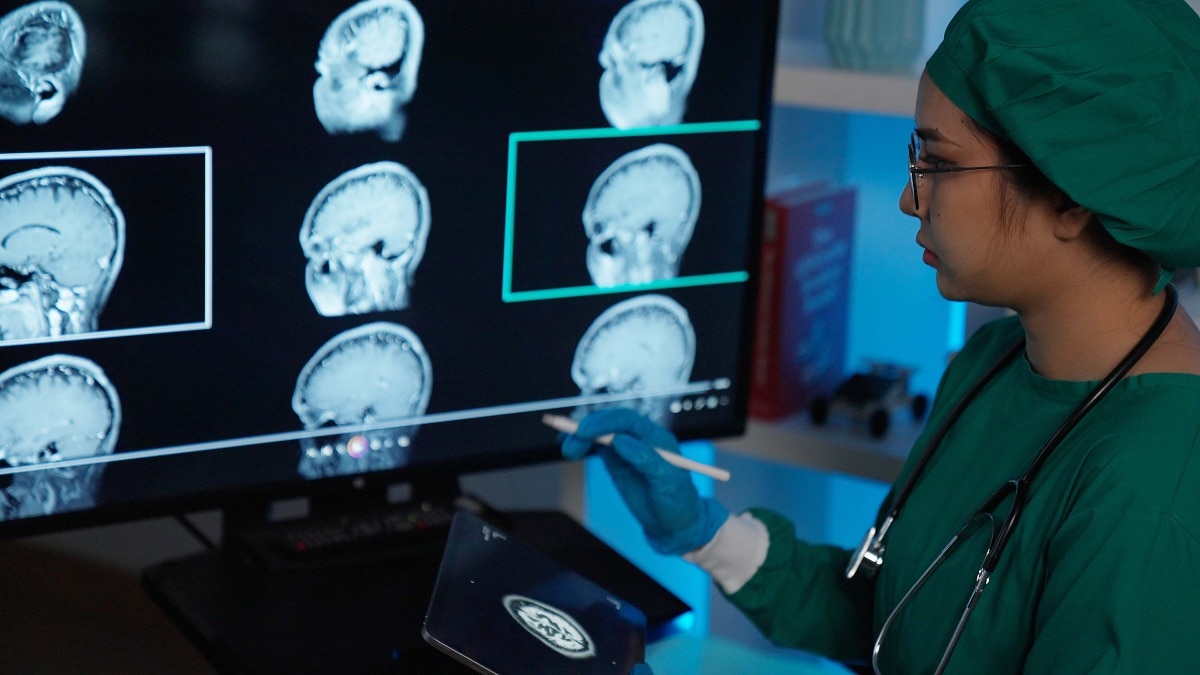
What is smartphone brain: A new generation of patients neurologists are seeing
Neurologists say a growing number of young adults, and even teenagers, are walking into their clinics with a different set of problems: frequent headaches, poor concentration, disturbed sleep, dizziness, brain fog and difficulty remembering things.
While smartphones are not causing neurological diseases, doctors say excessive screen time is creating what many now describe as the "smartphone brain," a pattern of symptoms linked to unhealthy digital habits.
"Mobile devices have changed how we work, study and communicate, but their excessive and haphazard usage can also change attention, sleeping patterns, mood and cognitive functions," said Dr. Deep Das, neurologist at CK Birla Hospitals, CMRI.A BRAIN THAT NEVER GETS TO REST
One of the biggest concerns is digital fatigue. Constant notifications, endless scrolling and switching between apps keep the brain in a state of continuous stimulation.
"The brain is trained to constantly seek stimulation through notifications, endless scrolling and rapid app switching. In the end, it becomes difficult to focus on one thing for long periods of time, making reading, working or even learning more difficult," explained Dr. Mohan Krishna Jonnalagadda, senior consultant neurologist at Yashoda Hospitals, Hyderabad.
Many young patients now complain that they cannot sit through a book, concentrate during meetings or study without checking their phones every few minutes.WHY SLEEP, HEADACHES AND MEMORY SUFFER
Neurologists are also seeing more cases of screen-related headaches and neck pain. Hours spent looking down at a phone can strain the muscles of the neck and shoulders, leading to tension headaches and worsening migraines. This condition is often referred to as "text neck."
Long hours on screens can also leave people mentally exhausted.
"People nowadays are experiencing a lot of digital fatigue. Long screen time can make people feel psychologically tired, agitated and unmotivated. Some even have trouble absorbing information after prolonged use of digital devices," Dr. Jonnalagadda said.
Children and teenagers may be particularly vulnerable because their brains are still developing. Excessive screen use can interfere with learning, sleep, physical activity and social interaction.IT'S NOT ABOUT GIVING UP YOUR PHONE
Doctors stress that smartphones themselves are not the enemy. The key is learning to use them wisely.
Both neurologists recommend following the 20-20-20 rule, every 20 minutes, look at something about 20 feet away for 20 seconds.
Taking regular screen breaks, limiting phone use at least an hour before bedtime, maintaining good posture, exercising regularly and spending time outdoors can all help protect brain health.
Persistent headaches, dizziness, memory problems or difficulty concentrating, however, should not be ignored.
"Technology is a useful tool, but good digital habits are just as important for long-term brain health," Dr. Jonnalagadda said.
As smartphones become an inseparable part of modern life, neurologists say the challenge is no longer just treating diseases of ageing, but helping a new generation protect their brains in the digital age.- EndsPublished By: Daphne ClarancePublished On: Jul 17, 2026 14:55 IST
Original Source
This content was distilled for a focused reading experience. All rights belong to India Today.
Read original publication